







Search Results for: Number of Coffee Shops
Shanghai Sees Nearly a Thousand New Cafés a Year: The Clash of Hot and Cold Behind 7,857 Total Cafés Leading the World
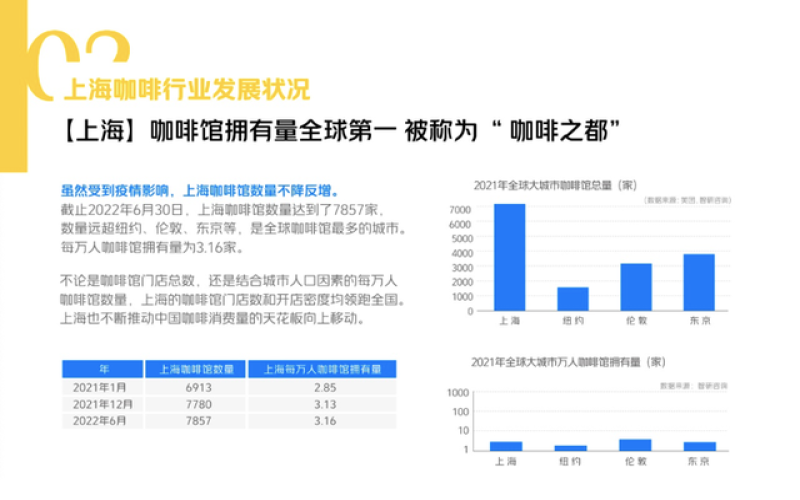
Shanghai, a city deeply steeped in coffee culture, is refreshing the global record for the number of coffee shops at an astonishing pace. As of June 2022, the city had 7,857 coffee shops, not only firmly ranking first in China in terms of quantity, but also surpassing international metropolises such as New York, London, and Tokyo to become the city with the most coffee shops in the world. Yet behind this numerical growth lie both the rapid expansion of specialty coffee brands fueled by capital and the reality of small shops struggling to survive under the impact of the pandemic. From 867 new additions in 2021, to a slowdown in the pace of openings in the first half of 2022, and then to the industry regaining momentum in the second half, what kind of resilience and challenges has Shanghai's coffee market shown? This article will combine the latest data and industry cases to analyze the driving forces and hidden concerns behind the counter-trend growth of Shanghai's coffee industry. [more…]
Jiangmen's coffee shops surpass 1,500, with 3.8 per 10,000 people, outpacing Guangzhou, Shenzhen, and Shanghai
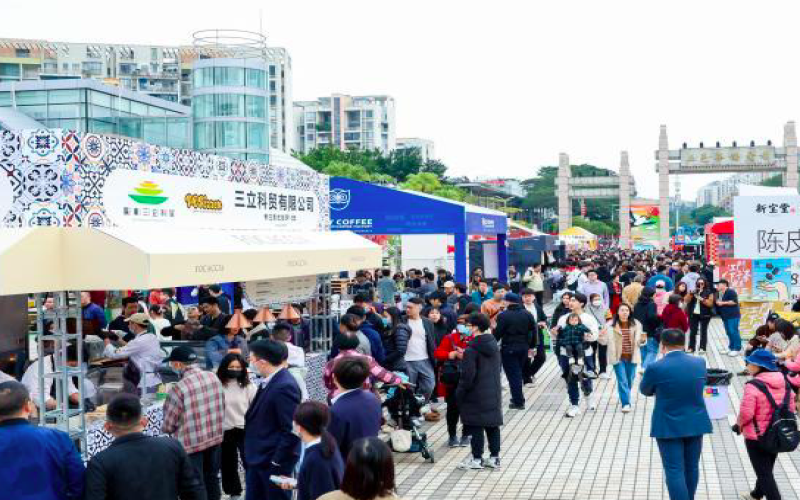
China's coffee consumption market continues to expand, with an average annual growth rate exceeding 15%, and coffee fairs and cultural festivals are emerging in endless succession across the country. Jiangmen, Guangdong recently held a Coffee Culture Week, attracting more than 150 coffee brands to exhibit, but what is even more noteworthy is the astonishing growth of coffee shops in this city—by the end of last year, the number had surpassed 1,500, with more than 400 new ones added during the year, an increase of over 35%. In the "2022 Top 100 Ranking of Chinese Cities by Number of Coffee Shops," Jiangmen ranked 21st nationwide, with 3.8 cafes per 10,000 people, a density that has already surpassed first-tier cities such as Shanghai, Shenzhen, and Guangzhou. Behind this phenomenon lies not only the profound accumulation of coffee culture in this century-old hometown of overseas Chinese, but also the combined impetus of returning young entrepreneurs starting businesses and chain brands pursuing a downward-market expansion strategy. This article will analyze the multiple factors behind the rapid rise of Jiangmen's coffee market and explore the future trajectory of involution in the industry. [more…]
Why does the number of coffee shops in Shanghai keep rising? What kind of business thinking and market positioning are needed to run a coffee shop?
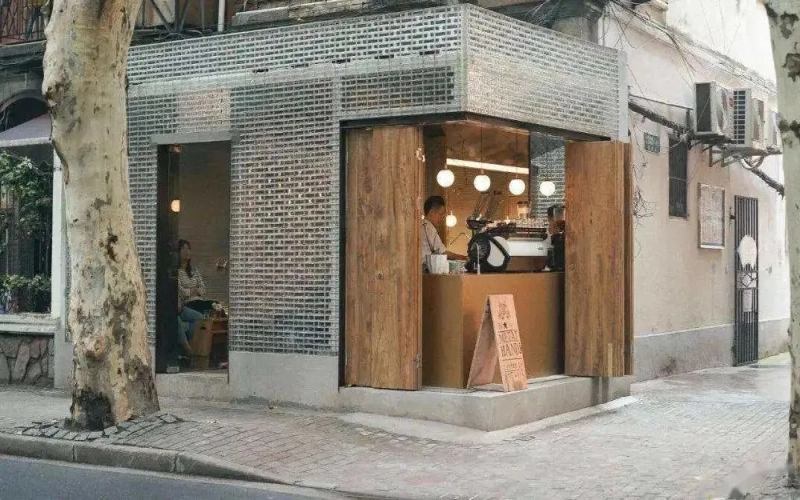
The number of coffee shops in Shanghai has surpassed 7,000, with more than 900 new ones added in the first 11 months of 2021 alone, an annual increase of over 40 percent. Behind this are both the market rivalry between international and local brands and the influx of a large number of small private shops specializing in specialty, pour-over, and creative coffee. Yet a boom in openings does not mean business is easy. Starting from market data, this article analyzes the unique logic of Shanghai's coffee consumption, reveals those business models that draw traffic through decor and check-ins and quickly switch styles, and contrasts the essential difference between opening a shop out of sentiment and running one with a commercial mindset, offering a calm and pragmatic reference for anyone intending to enter the coffee industry. [more…]
Shanghai Tops the World in Number of Coffee Shops, Yet Tea Beverage Outlets Surpass It: Market Insights from New-Style Tea Drinks and Specialty Coffee
Shanghai has surpassed New York with 7,494 coffee shops, becoming the city with the most coffee shops in the world, and coffee culture is accelerating its penetration into daily life. However, data from Dianping shows that Shanghai has as many as 9,056 tea beverage shops, even more than coffee shops. From 3-yuan instant milk tea to the new-style tea drinks led by Heytea, and then to the ancient-style sentiment of Chayan Yuese, tea beverage brands are deeply cultivating consumers' minds through quality upgrades, cross-industry collaborations, and e-commerce channels. In comparison, the specialty coffee market still remains to be developed, and most consumers have limited awareness of pour-over and specialty coffee. The coffee industry can learn from the successful path of tea beverage brands. Brands such as Front Street Coffee need to promote culture and ensure quality in order to move consumers. [more…]
The Survival Status After the Number of Cafes Nationwide Broke 100,000: Opening a Shop in Shanghai and Other Cities Is Easy, but Making a Profit Is Hard, and Industry Consolidation Is Accelerating
The coffee consumer market is expanding at an annual rate of 16%, far exceeding the global average, and young customers are becoming the core driving force of this industry. In 2016, the total number of coffee shops nationwide crossed the threshold of 100,000 for the first time, but in the same year there was also a clear negative growth, and a new round of reshuffling quietly unfolded in the second half of the year. Low barriers to opening a shop but increasingly difficult profitability have become a common experience for many shop owners. Based on the first big data report on the beverage industry jointly released by the Meituan Dianping Research Institute and Kamen, this article sorts out the real survival status of coffee shops in China from the dimensions of changes in the number of stores, urban distribution patterns, migration of consumer groups, as well as products, environment, and services. At the same time, combined with the actual observations of brands such as Front Street Coffee, it provides practitioners with reference basis for judgment. [more…]

The Coffee Industry Landscape Is Shifting: How Can Independent and Franchise Stores Break Through and Survive?
The coffee market is undergoing a new round of reshuffling. The number of coffee shops nationwide has approached 200,000, yet the survival cycle of newly opened stores is worrying. A large number of entrepreneurs are pouring into the coffee sector, including both independent coffee shops and franchise stores of chain brands. However, price wars and homogenized competition have caused many stores to bow out quietly within just two or three months. Under the squeeze of giants' low-price strategies, how can independent cafes balance price and distinctiveness? How should franchisees avoid pitfalls? This article provides an in-depth analysis of the reasons behind the wave of coffee shop closures, and, drawing on brand cases such as Front Street Coffee, explores ways to break through. [more…]
Why Are Coffee Shops Under Office Buildings Getting Denser and Denser? Looking at the Workplace Coffee Consumption Ecosystem Through Manner's Distribution
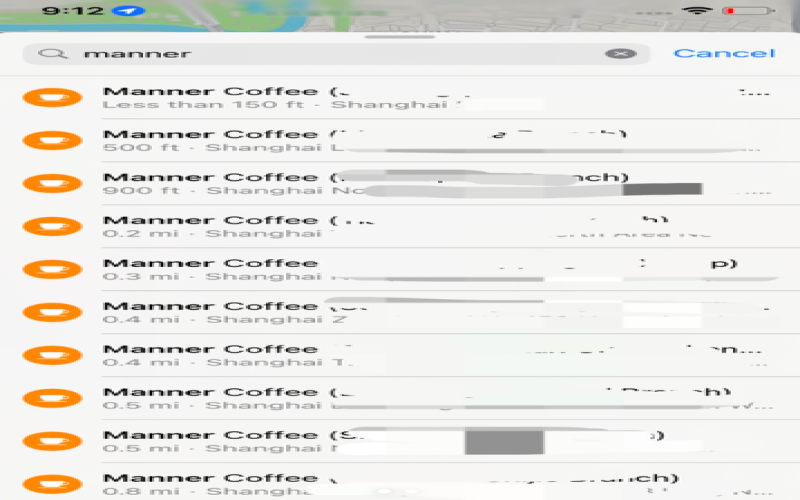
Have you ever noticed how many coffee shops have opened near your office? One netizen shared a map showing that within a one-kilometer radius of their office building, there were as many as ten Manner locations, striking a chord with a large number of office workers. In the comments, some said there were twelve Manner shops nearby and thirty-three Starbucks, while others carefully counted the clusters of Luckin, Nowwa, and major tea beverage brands downstairs. Why do coffee and milk tea brands favor office buildings? Behind this are multiple considerations, including white-collar workers' high-frequency demand for caffeine, brands' pursuit of revenue stability, and the leasing needs of office buildings. What's more interesting is that the number of coffee shops has been regarded by netizens as an alternative indicator of the concentration of "workplace vibes." This article uses this phenomenon as a starting point to break down the underlying logic of workplace coffee consumption, with relevant observations from Front Street Coffee attached. [more…]
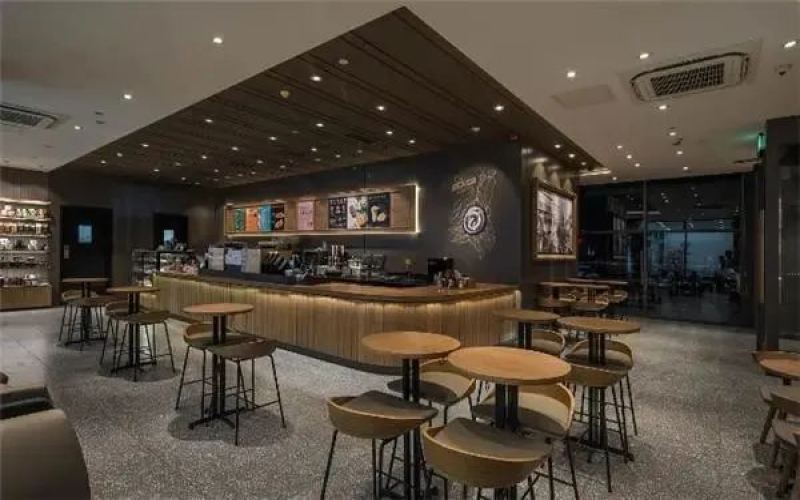
China's branded coffee shop count has leapt to the top worldwide, accelerating the reshaping of the East Asian market landscape.
The latest annual report on the East Asian coffee market shows that China has overtaken the United States to become the country with the most branded coffee shops in the world. Over the past year, China's total number of coffee shops reached 49,691, a year-on-year increase of 58%, far outpacing the United States. This growth was mainly driven by domestic chain brands such as Luckin Coffee and Cotti Coffee, which together added more than 11,000 net new stores. At the same time, other East Asian markets such as Malaysia and the Philippines also showed double-digit growth, and Asian domestic chain brands are gradually going international, shaking the position of traditional giants such as Starbucks. The report points out that Chinese consumers' enthusiasm for coffee continues to heat up, with 20% of respondents visiting coffee shops every day, and convenient small-format stores have become the mainstream. Front Street Coffee will also continue to follow this rapidly evolving coffee landscape for you. [more…]
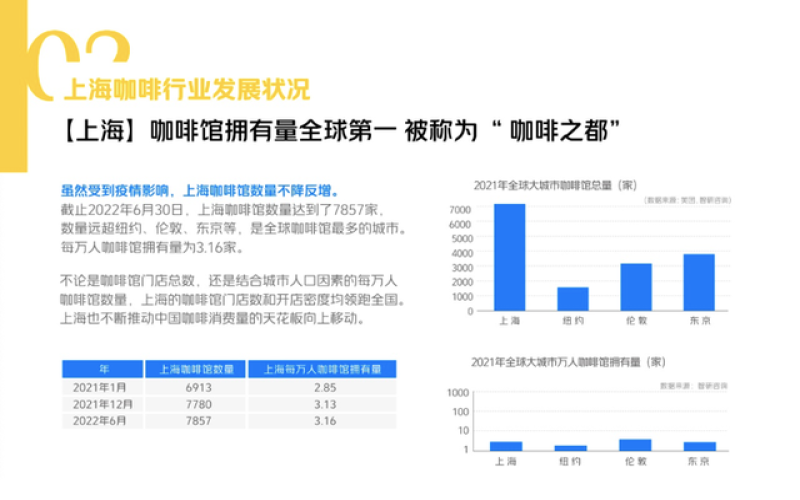
The Survival Landscape of Independent Coffee Shops in Shanghai: The Business Logic and Cultural Foundation Behind 7,857 Stores
As of June 2022, Shanghai ranked first among global cities with 7,857 coffee shops, of which independent outlets accounted for more than 60 percent. Behind this figure lies both a coffee-drinking tradition spanning more than a century and the meticulous efforts of contemporary owner-operators in refining style, products, and personalized experiences. This article analyzes, from the two dimensions of historical context and business strategy, how Shanghai's independent coffee shops continue to grow in the cracks between chain brands, and explores how owner-operators, spatial style, and product distinctiveness constitute the core competitiveness of independent coffee shops. [more…]
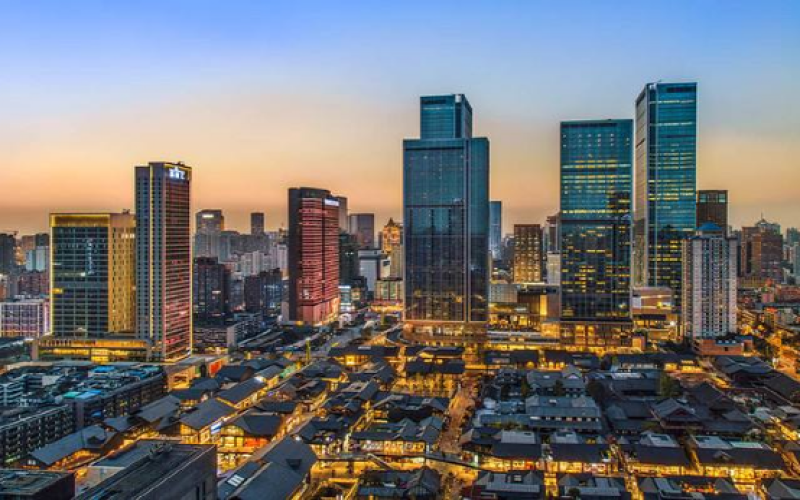
China's Coffee Market Landscape Shifts: Shanghai Loses Momentum Under Pandemic Impact, Chengdu Accelerates Its Rise
For a long time in the past, Shanghai was regarded as the city with the highest coffee density in China. However, the nearly three-month suspension of dine-in services dealt a heavy blow to Shanghai's catering industry, and coffee brands began to turn their attention to Chengdu. Data shows that Chengdu now has more than 7,000 coffee shops, ranking second nationwide, with independent coffee shops accounting for as much as 81.07%, far exceeding Shanghai's 57.01%. Luxury brands have also chosen to open coffee shops in Chengdu one after another, including LV, Cartier, Ralph's Bar, and Maison Margiela Café. Wangping Street, Mengzhuiwan, and Tangpa Street in Chengdu have become popular coffee districts, where teahouse culture and coffee consumption blend together. This article will analyze the data and trends behind this round of changes in the coffee city landscape. [more…]

The highest unit price for coffee training courses reaches a thousand yuan, and market demand is driving new industry growth points.
As coffee consumption becomes increasingly routine and a daily necessity, the number of coffee shops continues to grow, and the coffee training market is heating up along with it. From latte art experiences to advanced specialty drinks, course prices range from 300 to 1,000 yuan, and some popular courses require booking half a month in advance. Search data shows that interest in coffee training has risen 77% year on year, with people aged 20-35 making up the main group. The coffee industry is rising across the board, from the consumer end to the talent end, and brands such as Front Street Coffee continue to provide professional support for enthusiasts. [more…]

How to Choose Coffee Beans When Buying Online? A Guide to Five Types of Shops and Brand Recommendations
When buying coffee beans on e-commerce platforms, the sheer number of shops can leave you not knowing where to start. This article roughly divides the coffee merchants on Taobao into five categories—from Guangzhou's time-honored roasting brands to representatives of overseas specialty coffee—and analyzes the characteristics and suitable audiences of each one. Among them are high-value everyday-bean options, channels for rare varieties like Ninety Plus Geisha, as well as roasting factories suited to bulk purchasing and chain brands with consistent quality. Whether you're just starting out or a seasoned enthusiast, you can find a buying direction that suits you. [more…]
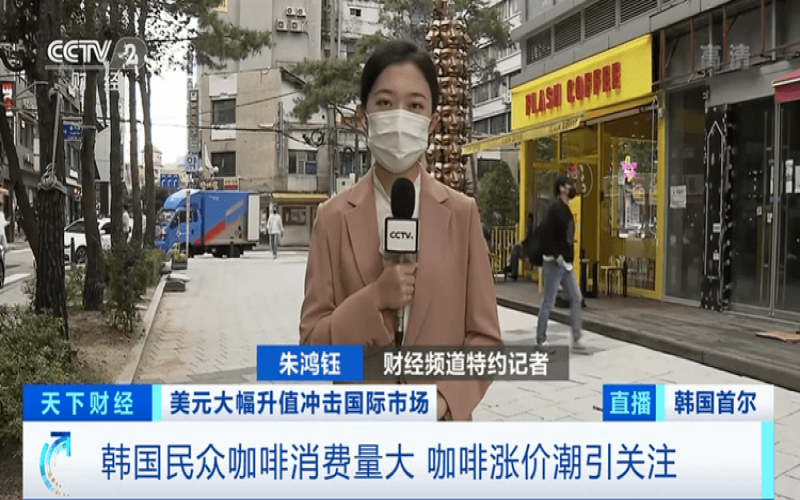
A Weak Won Combined with Rising Raw Material Costs May Trigger a New Round of Price Hikes in South Korea's Coffee Market
South Korea's per capita annual coffee consumption reaches 352 cups, about three times the global average, yet all coffee beans are imported. Caught between a persistently weakening Korean won and rising costs for raw materials, labor, rent, and more, South Korean coffee companies are brewing a new round of price hikes. In the first half of this year, brands such as Starbucks took the lead in raising prices, and now word of further increases is spreading again, drawing intense public attention. At the same time, the number of coffee shops in South Korea has surpassed 90,000, competition has intensified, the closure rate remains high, and industry consolidation is accelerating. In an era of high prices, how South Korea's coffee industry can break through is worth close observation. [more…]
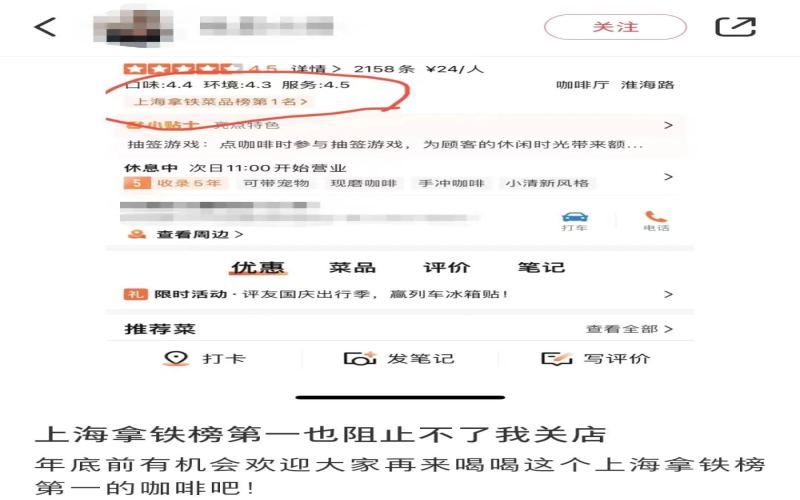
Even the top-ranked Shanghai latte spot couldn't escape it—an independent coffee shop that had been operating for five years announced it will close at the end of the year.
Shanghai is home to over nine thousand coffee shops, and its rich coffee culture has made the city one of the most vibrant places for coffee in the country. However, such a large number of shops also means exceptionally fierce competition. Recently, an independent coffee shop that once topped Shanghai's latte rankings suddenly announced it would close at the end of the year, drawing widespread attention from nearby customers and industry peers. The owner admitted that business conditions were not the main reason, but that the thought of stepping away had taken root since the pandemic restrictions were lifted. This incident reflects the survival struggles of independent coffee shops today amid the expansion of chain brands and cutthroat industry competition, and it also prompts a fresh look at the accelerating turnover and renewal of the coffee market. [more…]
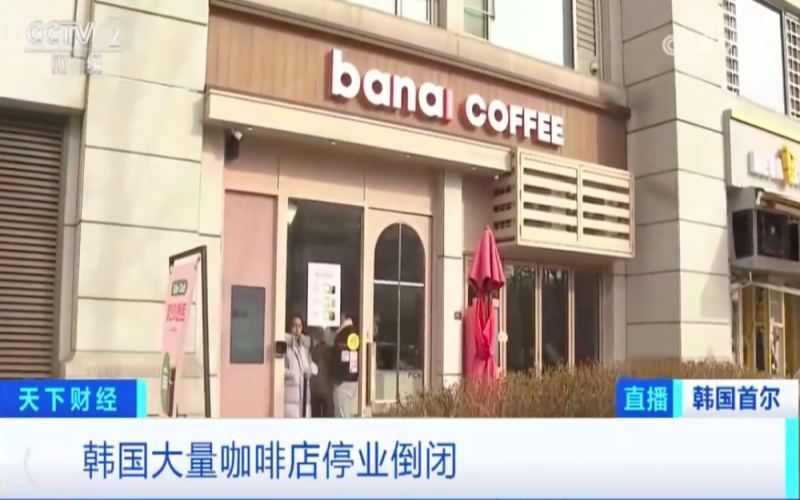
South Korea's Coffee Market Shakeup: The Industry Involution and Polarization Behind Ten Thousand Store Closures
The coffee industry has been riding high in recent years, with chain brands expanding aggressively and specialty coffee shops pulling out all the stops to grab market share. Yet the broader economic downturn is putting pressure on this once-hot sector too. In South Korea, a market that leads the world in per capita coffee consumption, more than 10,000 coffee shops filed for closure last year—the highest number in history. Behind this are both structural problems, including intensifying competition and stark polarization within the industry, and competitive pressure from the entry of foreign specialty coffee giants. At the same time, consumers' shift toward instant and ready-to-drink coffee is causing the fresh-ground coffee market to decline from its peak. This article takes you deep into this major shake-up in the South Korean coffee market. [more…]
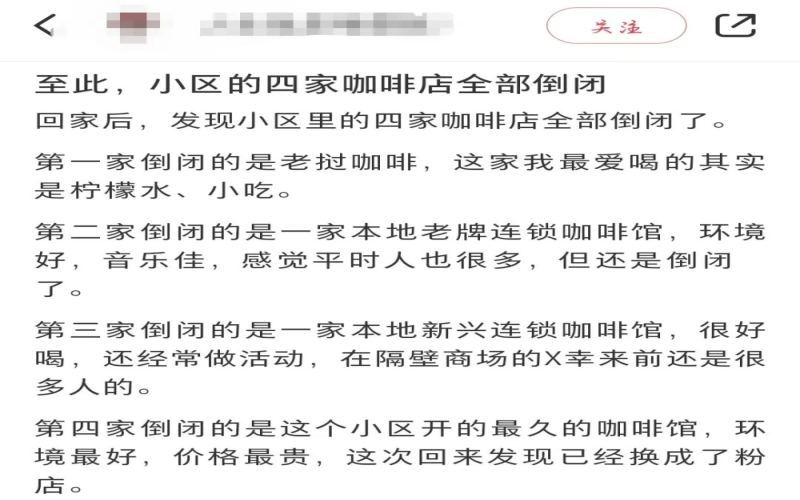
In-Depth Look at the Coffee Industry's Closure Wave: Over 45,000 Stores Exited Last Year, Chain and Independent Brands Face Survival Test Together
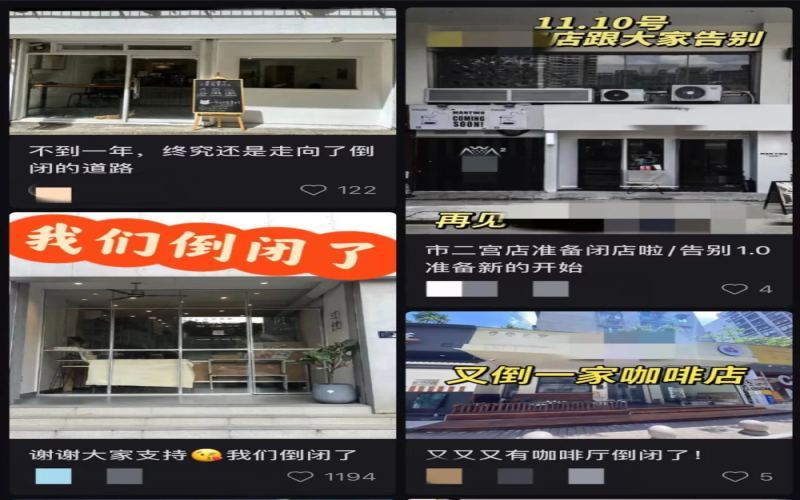
Over the past year, the domestic coffee sector has undergone an unprecedented reshuffle. Data from Zhaomen Canyan shows that nearly 53,000 new stores opened in the past year, but net growth was only just over 6,000, meaning more than 45,000 coffee shops have quietly exited. From the microcosm of all four coffee shops in a residential compound shutting down, to the sharp contraction of chain brands such as Benlai Budgaiyou and Seesaw, to top brands like Starbucks and Manner adjusting their store layouts, the wave of closures has swept across operators of different scales. At the same time, coffee bean futures prices hit a record high, and with cost pressure compounded by market saturation, many coffee shop owners find it hard to be optimistic about the outlook. This article reviews industry data and typical cases to present this hard battle over the survival of stores. [more…]
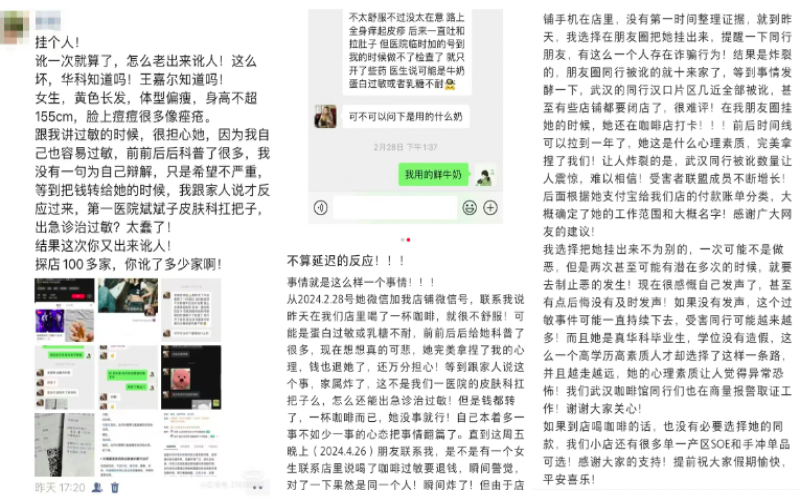
The same old story works every time? Over twenty coffee shops in Wuhan hit by an "allergy refund" scam
A female customer nicknamed "Allergy Sister" by netizens has been requesting refunds at multiple independent coffee shops in Wuhan, claiming that lactose intolerance triggered an allergic reaction. At first, shop owners agreed out of apology and concern, until some in the trade discovered that the medical certificates were questionable and the accounts were strikingly similar, realizing that this might be a patterned refund claim. So far, more than twenty shops have come forward to confirm refunds, and the number of victims may still be growing. The person involved has deleted her account and cannot be reached, and some shop owners are gathering evidence and considering legal action to defend their rights. [more…]
How Coffee Shops Can Break Out of the Price War Trap: The Reality and Way Forward for Independent Cafés to Stay Profitable
When Luckin and Cotti's 9.9-yuan price war swept the market, a large number of coffee shops went bankrupt amid fierce competition. A Shanghai coffee shop owner recently shared his real situation: although delivery order volume grew, profits still could not cover costs, and he remained short of the break-even line. Can the low-price strategy be sustained? How can independent stores find room to survive in the cracks between chain brands? Starting from one shop owner's personal experience, combined with netizens' suggestions and industry realities, this article explores the key path to break-even operation for coffee shops—from pre-opening cost planning and store positioning to differentiated products and customer loyalty building—providing coffee practitioners with a practical business reference. [more…]

How to Run a Coffee Shop After the Pandemic? Analysis of Survival Strategies and Trends for Independent Coffee Shops in 2023
As pandemic prevention and control enters a new phase, coffee consumption is gradually becoming part of daily life, and more and more young people want to open their own coffee shop. Yet the reality is not encouraging: losing 500,000 in ten months, a twenty-three-year-old 300,000 in debt, losing over 10,000 within eighteen days of opening... These cases remind us that passion alone is far from enough. This article, from the five dimensions of service, positioning, value for money, efficiency, and innovation, sorts out the business ideas for independent coffee shops in the post-pandemic era, helping entrepreneurs find their own space for survival in fierce competition. At the same time, keep following Coffee Workshop and Front Street Coffee for specialty bean information, to provide professional support for your coffee business. [more…]

A Practical Guide to Coffee Shop Delivery Operations: A Complete Approach from Pricing Strategy to Private Domain Retention
While delivery platforms bring orders to coffee shops, they also carry the hidden risk of brand devaluation. Many shop owners have found that blindly joining price wars not only makes profitability difficult but can also erode the store's brand value. This article systematically sorts out the key aspects of coffee shop delivery operations, from pre-opening pricing planning, accumulating Dianping ratings, and delivery menu strategies, to how to convert platform traffic into private-domain customers. It also emphasizes that independent coffee shops should differentiate themselves from chain brands through professional quality and service details, rather than getting caught in low-price involution. The article also shares practical techniques such as stamp cards and scratch cards to guide delivery customers to offline visits, helping coffee shops effectively attract traffic through delivery while maintaining their brand tone. [more…]